In Vietnam, electricity prices were reduced by 2% starting November 1.
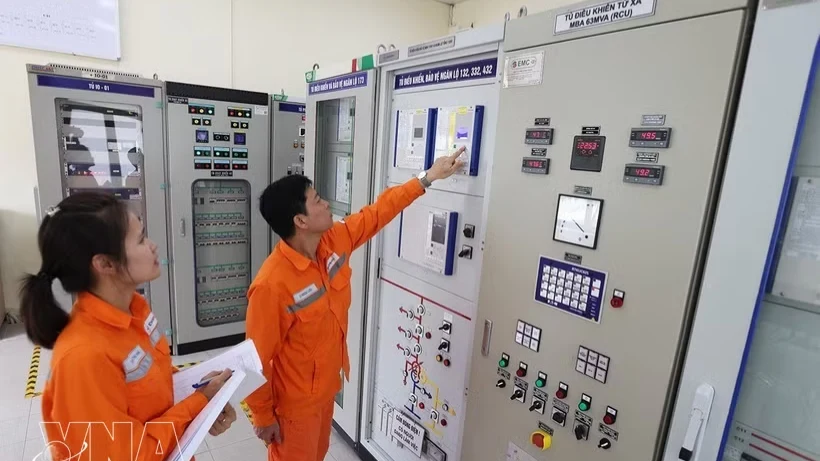
Electricity bills in Vietnam may become a little smaller. From November 1, 2026, Vietnam Electricity (EVN) reduced the average retail electricity price by 2% — to 2,159.9 dong per kWh excluding VAT.
The decision on the adjustment was made on October 30, and the very next day the Ministry of Industry and Trade approved new tariffs for various categories of consumers. The changes took effect simultaneously — on November 1.
The price reduction became part of government measures to support the population and businesses. Before revising the tariffs, EVN carried out calculations and optimized expenses to reduce the cost of electricity without violating the current pricing mechanism.
However, a 2% reduction in the average price does not mean that every resident of Vietnam will automatically pay 2% less for electricity. The final amount depends on the consumer category, the applicable tariff schedule, and the number of kilowatt-hours consumed.
For household consumers in Vietnam, a tiered payment system is in place: the more electricity is used per month, the higher the cost of consumption in the following tariff ranges. Therefore, the change in the average price cannot be directly applied to any specific bill.
This is especially important for foreigners renting apartments and houses. In many residential complexes, electricity is paid separately, and property owners issue bills to tenants themselves.
If the calculation is made according to the current EVN tariffs and the readings of an individual meter, the new rates may reduce monthly expenses. However, with a fixed rate set by the landlord, the cost of electricity may remain the same.
For example, if the owner charges the tenant 4,000 dong per kWh, the government’s reduction in the average price does not mean an automatic revision of this amount. Everything depends on the terms of the contract and the billing procedure.
For residents of Nha Trang, Da Nang, Ho Chi Minh City, and other hot cities, the issue is especially relevant: air conditioners often account for a significant share of household energy consumption, so even small tariff changes can affect utility expenses.
The reduction in electricity costs should also ease the financial burden on enterprises for which energy expenses are an important part of the cost of goods and services.
The new tariffs are effective from November 1, 2026. Tenants who pay for electricity separately should check the terms of their contract and clarify with the owner whether bills will be calculated according to the updated EVN rates.