In Ho Chi Minh City, officials are being urged to switch to public transportation
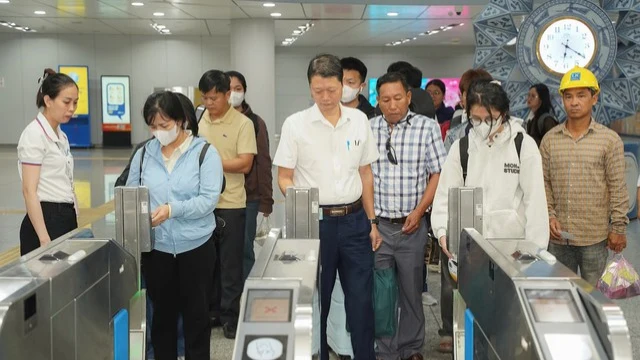
Bus and metro trips may become a regular part of the workweek for civil servants in Ho Chi Minh City. City authorities have presented a plan under which at least 80% of employees of government agencies should be encouraged to use public transport at least twice a week.
The initiative is aimed at reducing dependence on private cars and motorcycles, easing the burden on roads, and promoting more environmentally friendly urban mobility.
At the same time, this is not only about buses. Officials are being encouraged to use all available forms of public transport, including the metro and river passenger routes.
A distinctive feature of the program is that its results will be taken into account in the annual evaluation of the performance of government institutions and their employees. Thus, the use of public transport will become one of the indicators of the implementation of the city’s transport policy.
However, the document does not provide for a mandatory ban on travel by private transport. The authorities are relying on incentives and changes in the everyday transport habits of public sector workers.
No new requirements are being introduced for ordinary residents of Ho Chi Minh City either. The campaign is aimed primarily at employees of government agencies, who are expected to help popularize public transport by setting an example.
At the same time, the city intends to improve transport infrastructure. In particular, it plans to develop transfers between buses, metro lines, and water transport so that passengers can more conveniently combine different modes of travel.
This is especially important for Ho Chi Minh City, where motorcycles remain one of the main means of transportation and heavy road traffic regularly leads to congestion.
The development of public transport has already become one of the city’s priorities. After the launch of the first metro line, the authorities continue to work on expanding the transport network and improving the accessibility of passenger services.
The main goal of the new campaign is to make public transport a real alternative to private travel, starting with employees of government institutions.
If the initiative proves successful, it could help increase ridership on existing routes and support the further development of the city’s transport system.