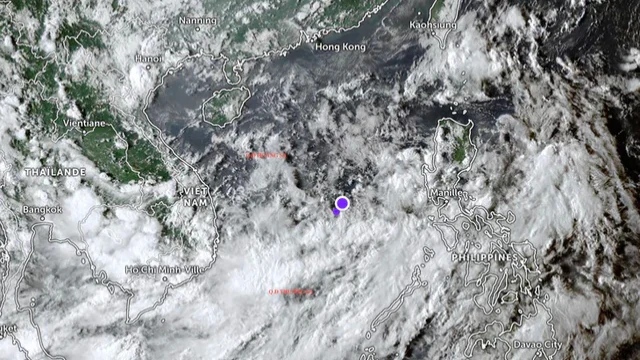
Four underwater cables failed simultaneously
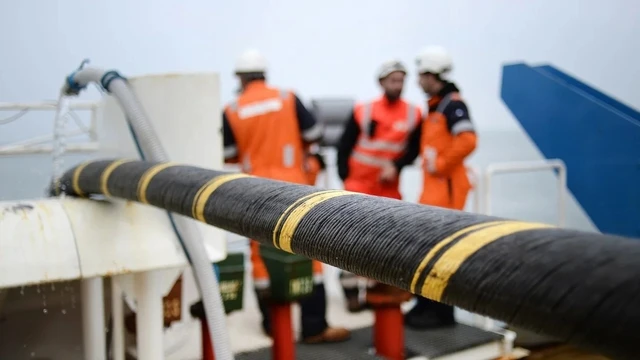
As many as four submarine fiber-optic lines connecting Vietnam to the international internet infrastructure are experiencing disruptions. These are the SJC2, AAE-1, AAG, and IA cables. According to operators, the situation affects a significant portion of the country’s international internet traffic.
The problems arose amid several independent incidents. In particular, faults were recorded on the SJC2 and AAE-1 cables on August 25, 2026. At the same time, repair work on AAG had not yet been completed, and the IA line was also in a faulty state.
According to industry sources, the combined impact of the damage is estimated at about 30% of Vietnam’s international internet connection capacity. This does not mean the internet inside the country is down: domestic networks continue to operate, but loading times and latency may increase for connections to foreign resources.
The most noticeable consequences may affect services whose servers are located outside Vietnam. Users may encounter slower loading of foreign websites, applications, cloud platforms, and other international services, especially during periods of high demand.
Vietnam uses several international submarine cable systems, so operators can reroute traffic to functioning routes. In addition to submarine lines, land-based routes are also used. According to VnExpress, Viettel, for example, redirected part of its international traffic via a land route from Vietnam through Laos to Singapore.
This is not the first time the situation with submarine cables has affected the quality of Vietnam’s international internet connection. Simultaneous damage to several lines is especially sensitive for the country, since a significant share of international traffic passes through a limited number of cable systems.
Operators continue to monitor the condition of the lines and organize repair work. At the same time, the exact timeline for fixing each fault depends on the location of the damage, weather conditions, and the ability to send a repair vessel to the relevant section of the cable.
For users, this means that when there are problems with certain foreign websites or services, the cause may not be a local home internet outage, but congestion on international routes. At the same time, local websites and services may continue to operate without significant changes.