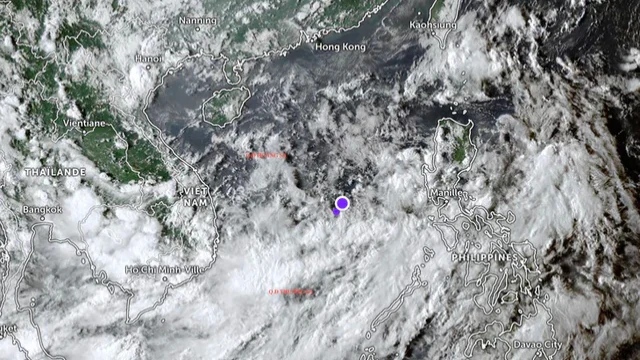
Consequences of Typhoon Narra: recovery work continues in northern Vietnam
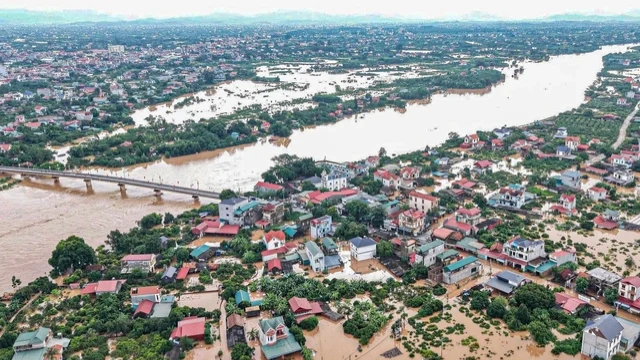
The consequences of Typhoon Narra, which became the fourth typhoon to enter the South China Sea in 2026, seriously affected the northern regions of Vietnam. Torrential rains caused flooding, landslides, and transport disruptions in Lang Son and Bac Ninh provinces.
In Bac Ninh, the districts of Luc Ngan, Luc Nam, and Son Dong were especially hard hit. The water level in the Luc Nam River reached 14.11 meters on August 24, exceeding the third warning level by more than one meter. Some localities were flooded and temporarily isolated.
Authorities in Bac Ninh activated emergency response plans and prepared the evacuation of residents from areas threatened by further rises in water levels and landslides. Rescue services also helped people move their belongings and ensured safety in flooded communities.
In Lang Son, the situation was also complicated by rising river levels and numerous landslides. In a number of areas, residential zones were flooded, and some roads were blocked by mud, rocks, and debris.
After the water level receded, local authorities began clearing streets and residential areas. Hundreds of service personnel, soldiers, and local residents are taking part in cleaning up mud and debris and restoring infrastructure. Emergency crews continue working on dangerous road sections.
According to Lang Son authorities, some sections of the road network suffered serious damage. Specialists are inspecting landslide sites, clearing drainage systems, and organizing traffic where roads have already been restored. Round-the-clock monitoring remains in place in potentially dangerous areas.
According to Vietnam’s Disaster Prevention and Control Authority, by August 25, thousands of households in several northern provinces had been evacuated to safe locations. At that time, 3,191 households were still staying at evacuation centers.
According to the National Center for Hydro-Meteorological Forecasting, from August 20 to 24, many areas of Northern Vietnam received 200–400 mm of rainfall, while at some weather stations in Lang Son the rainfall totals were significantly higher.
Although Typhoon Narra itself weakened and began moving away from Vietnam, authorities continue to monitor river levels and slope conditions because of the ongoing risk of new landslides and localized flooding.
Official source — Vietnam’s Disaster Prevention and Control Authority: https://phongchongthientai.mard.gov.vn/en/Pages/rapid-report-on-disaster-prevention-and-control-operations-%E2%80%93-25-august-2026.aspx
Official source — Vietnam’s National Meteorological Center: https://vnmha.mae.gov.vn/tinh-hinh-mua-lu-do-anh-huong-cua-bao-so-4-narra-va-cong-tac-du-bao-phuc-vu-18645.htm